
The Evolving Role of Technology in Modern Agriculture
Technology has revolutionized the way we live, work, and interact with one another. The agricultural sector is no exception, as modern farmers have come to rely heavily on technology to optimize crop yields and improve efficiency. From drones to sensors, precision agriculture is transforming the industry and introducing new opportunities for growth. This post will examine the evolving role of technology in modern agriculture, as well as the benefits and challenges of incorporating advanced tools such as artificial intelligence and machine learning.
Precision agriculture, also known as smart farming, is a system that uses real-time data to monitor and optimize every aspect of crop production. By utilizing a range of technologies such as GPS, sensors, drones, and robotics, farmers can collect and analyze data on everything from soil moisture and nutrients to weather patterns and pest infestations. This information allows farmers to make more informed decisions about planting, fertilization, irrigation, and pest management, with the end goal of maximizing yields and profits.
One of the key advantages of precision agriculture is the ability to reduce waste and conserve resources. By applying fertilizers and pesticides only where they are needed, smart farming can reduce the environmental impact of agriculture and promote sustainability. Additionally, precision agriculture tools can help farmers minimize water consumption, one of the most critical resources in agriculture. By using sensors to measure soil moisture levels and weather patterns, farmers can optimize irrigation schedules and reduce the amount of water needed to sustain their crops.
Another significant advantage of precision agriculture is the increased efficiency of labor and resource use. With the help of automation technologies such as drones and robots, farmers can optimize their work schedules and reduce manual labor. For example, drones can be used to survey large fields and create detailed maps that highlight areas of concern. This data can then be fed into a precision agriculture system that automatically makes adjustments to planting and fertilizer application rates. By automating these tasks, farmers can reduce the need for manual labor and increase efficiency.
However, with the many benefits of precision agriculture come significant challenges as well. One of the most significant obstacles to widespread adoption of smart farming technologies is the high upfront cost of these systems. For many small-scale farmers, the investment required to purchase and implement precision agriculture tools is simply not feasible. Additionally, the complexity of the systems and the need for specialized training can dissuade farmers from adopting these technologies.
Another challenge is the need for reliable internet connectivity in rural areas. Precision agriculture relies heavily on real-time data collection and transfer, which can be difficult in areas with limited or no internet access. This can limit the effectiveness of precision agriculture systems, particularly in developing countries where agriculture is a crucial source of income.
As such, it's clear that precision agriculture has the potential to revolutionize the agricultural sector. Incorporating advanced technologies such as artificial intelligence, machine learning, and the Internet of Things (IoT) can lead to unprecedented levels of efficiency, productivity, and profitability. However, it's crucial to address the challenges facing widespread adoption to ensure that all farmers can benefit from these innovations.
In conclusion, the role of technology in modern agriculture is rapidly evolving, and precision agriculture is at the forefront of this transformation. The benefits of smart farming include optimized crop yields, reduced waste, and increased efficiency. However, the challenges facing the widespread adoption of these technologies must be addressed to ensure that all farmers can benefit from the advantages of modern agriculture. With continued innovation and investment, precision agriculture has the potential to promote sustainability, increase profitability, and improve the lives of farmers worldwide.
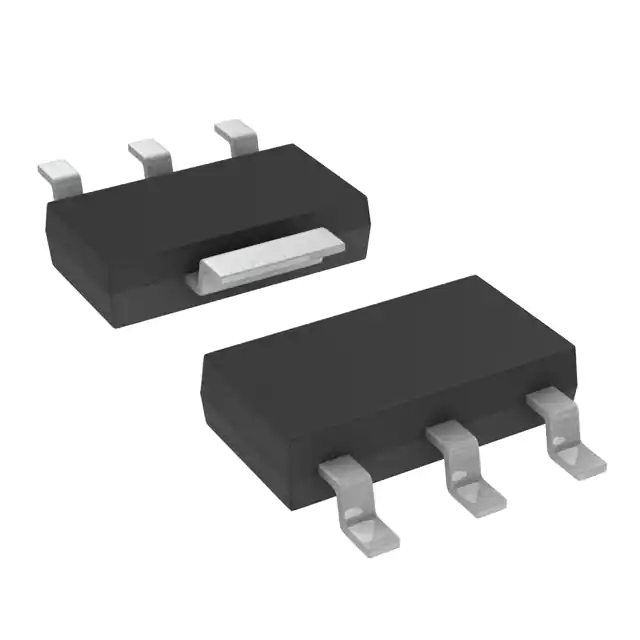
STN0214
- Part Number :
- STN0214
- Manufacturer :
- STMicroelectronics
- Description :
- TRANS NPN 1200V 0.2A SOT223
- Datasheet :
-
 STN0214.pdf
- Unit Price :
- Request a Quote
- In Stock :
- 2680
- Lead Time :
- To be Confirmed
- Quick Inquiry :
- - + Add To Cart
Request a Quote
STN0214 Specifications
- Packaging:
- Tape & Reel (TR),Cut Tape (CT)
- Series:
- -
- ProductStatus:
- Active
- TransistorType:
- NPN
- Current-Collector(Ic)(Max):
- 200 mA
- Voltage-CollectorEmitterBreakdown(Max):
- 1200 V
- VceSaturation(Max)@IbIc:
- 300 mV @ 20mA, 100mA
- Current-CollectorCutoff(Max):
- 10µA
- DCCurrentGain(hFE)(Min)@IcVce:
- 3 @ 200mA, 2V
- Power-Max:
- 1.6 W
- Frequency-Transition:
- -
- OperatingTemperature:
- 150°C (TJ)
- MountingType:
- Surface Mount


STN0214 Guarantees

-
Service Guarantees
We guarantee 100% customer satisfaction.
Our experienced sales team and tech support team back our services to satisfy all our customers.

-
Quality Guarantees
We provide 90 days warranty.
If the items you received were not in perfect quality, we would be responsible for your refund or replacement, but the items must be returned in their original condition.
Certified Quality
 View the Certificates